
You have made the decision to sell. Now the pressure starts. You want a strong offer, a quick sale, and as much money as possible in your pocket. So where do you spend your time and money to make that happen?
Most sellers start inside. They clean the kitchen, clear the counters, and fix the little things. That is smart. But here is the part many sellers miss: buyers make up their minds before they ever step through the front door.
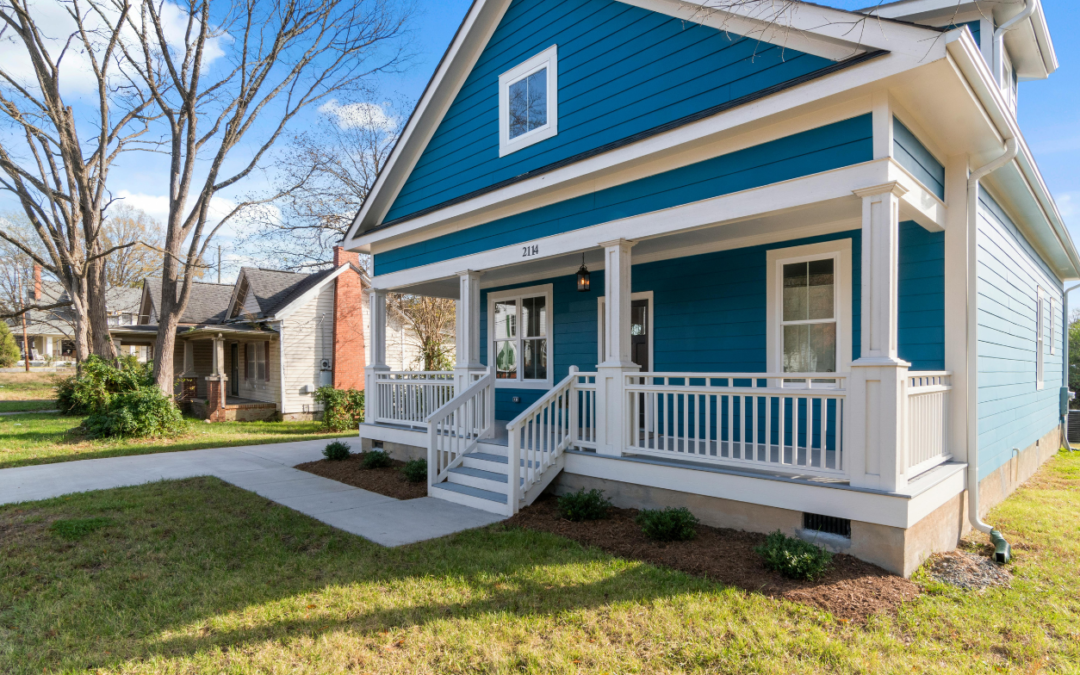
The first thing a buyer sees is the outside of your home. That first look sets the tone for everything else. If the paint looks tired, faded, or worn, buyers start looking for problems. If it looks fresh and cared for, they relax and see value.
That is why exterior paint is one of the smartest moves a seller can make. It does not just make your home look better. It can add real dollars to your final sale price.
In this post, we will walk through how exterior paint increases your home’s market value, what the return looks like, and how to get the most out of every dollar you spend.
Let’s dig in.
Why Curb Appeal Decides the Sale
Think about how you shop. When you look at a product online, you judge it in seconds. A photo that looks clean and sharp gets your attention. A photo that looks dull or damaged gets skipped.
Buyers do the same thing with homes. Only it is stronger, because a home is the biggest purchase most people will ever make.
Here is what happens in a typical showing:
1. The buyer pulls up. Before they get out of the car, they are already forming an opinion.
2. They scan the exterior. Paint, trim, doors, and siding get judged fast.
3. They decide how to feel. Fresh paint says “this home was cared for.” Worn paint says “this home was ignored.”
4. They walk in with that feeling. A good feeling makes them notice the good parts inside. A bad feeling makes them hunt for flaws.
This is called the halo effect, and it is real. When the outside looks great, buyers assume the inside is well kept too. When the outside looks rough, they assume the worst and start negotiating before they even see the kitchen.
Real estate agents talk about this all the time. Curb appeal is not a nice extra. It is the front door of your sale.
The Real Numbers: What Exterior Paint Returns
Let’s talk about money, because that is the point.
Industry studies that track home projects consistently rank exterior painting near the top for return on investment. It is one of the few projects where you can spend a modest amount and see a large share of it come back at closing.
Why does it perform so well? Because of how the math works:
• The cost is moderate. Painting is far cheaper than replacing siding, windows, or roofing.
• The impact is huge. Paint changes the entire look of a home in days, not months.
• The payback is direct. Buyers pay more for homes that look move-in ready.
Compare that to a major kitchen remodel. You might spend tens of thousands and only get back a portion of it. Exterior paint costs a fraction of that and often returns a much higher percentage.
The exact number depends on your market, your home, and the quality of the job. But the pattern holds almost everywhere: exterior paint is one of the highest-return projects a seller can do.
Why the Return Is So Strong
A few things make exterior paint special:
• It is visible. Buyers see the value instantly, without needing to understand construction.
• It is fast. A paint job takes days. A remodel takes months.
• It prevents discount requests. Buyers often ask for money off when they see peeling paint. Fresh paint removes that bargaining chip.
• It widens your buyer pool. More buyers want a home that needs nothing done.
That last point matters more than most sellers realize. Every buyer who walks away because a home looks like a project is a buyer who will not bid.
What Buyers Actually See
To understand the ROI, you have to understand what buyers notice. Most sellers guess wrong. They worry about things buyers barely register, and ignore things buyers cannot stop seeing.
Here is what buyers really notice on the outside of a home:
• Peeling and flaking paint. This is the number one red flag. It screams “deferred maintenance.”
• Faded, chalky color. It makes a home look old and tired, even if it is in good shape.
• Cracked caulk and gaps. These hint at water problems behind the walls.
• Mismatched or outdated colors. Bold choices can turn buyers off fast.
• Dirty or stained siding. Grime reads as neglect.
• Rusted or worn trim and doors. Small details that add up.
Now here is the key insight. Buyers do not just see paint. They see risk. When they spot peeling paint, their brain jumps ahead:
“If the paint was not kept up, what else was ignored? The roof? The plumbing? The foundation?”
That fear costs you money. It makes buyers offer less. It makes them ask for repairs. Sometimes it makes them walk away completely.
Fresh exterior paint does the opposite. It says the home was loved and maintained. It removes doubt. And doubt is what kills a sale price.
How Paint Signals a Well-Maintained Home
Paint is more than a color. It is a message.
Think about two homes sitting side by side. They are the same size, same layout, same age. One has crisp, clean paint. The other has paint that is cracking and dull.
Which one feels like the better buy? Which one feels like it was taken care of? Which one would you pay more for?
Almost everyone picks the first home. Same house, different feeling, different price.
That is the power of exterior paint. It tells a story without saying a word. It tells buyers:
• Someone cared about this home
• Small problems were handled before they grew
• The home is ready for me to move in
• I will not have to spend money right away
Buyers pay a premium for that feeling. It is not just about looks. It is about confidence.
The Math: Cost vs. Return
Let’s break down why this is such a good deal for sellers.
What you spend: The cost of exterior painting depends on your home’s size, condition, and the prep work needed. A small, simple home costs less. A large home with lots of trim, repairs, and multiple stories costs more.
What you get back:
• A higher asking price, because the home shows better
• Fewer repair requests, because buyers see fewer problems
• A faster sale, because more buyers want it
• Stronger offers, because the home feels move-in ready
What you avoid:
• Price cuts from buyers who see neglect
• Repair credits you have to pay at closing
• Months of carrying costs while the home sits
That last one is easy to forget. Every month your home sits unsold, you keep paying the mortgage, taxes, insurance, and utilities. A faster sale saves real money, even if the price stays the same.
So the return on exterior paint comes from three places at once: a better price, fewer concessions, and a quicker closing. That is a rare combination.
Paint Colors That Help You Sell
Color choice matters when you are selling. Your goal is not to express your personal style. Your goal is to help buyers picture themselves in the home.
Here is what tends to work:
Safe, popular choices:
• Warm whites and soft creams
• Light grays and greiges
• Soft blues and greens
• Classic neutrals for trim
Choices that can hurt you:
• Very bold or unusual colors
• Colors that clash with the roof or brick
• Dark colors that make a home look smaller
• Trends that already feel dated
A good rule of thumb: neutral outside, personality inside. Let the buyer see a clean canvas they can imagine themselves living in.
There is another benefit to neutrals. They photograph well. Most buyers start their search online, and photos are how they decide which homes to visit. A clean, neutral exterior looks sharp in listing photos, which means more clicks and more showings.
If you love bold color, that is fine. Just save it for the home you are staying in.
Prep Work: Where the Real Value Lives
Here is something most homeowners never think about. The paint itself is only part of the job. The prep is what makes paint last and what makes it look right.
Skipping prep is the fastest way to waste money. Paint that fails in a year does nothing for your sale price, and peeling paint is worse than the old paint you started with.
Proper prep includes:
• Washing the surface. Dirt, mildew, and chalk must come off first.
• Scraping and sanding. Loose paint has to go.
• Repairing wood. Rot and cracks need to be fixed, not painted over.
• Re-caulking. Gaps around windows and doors must be sealed.
• Priming. Bare spots and repairs need a proper base.
When this is done right, paint bonds, lasts, and looks smooth. When it is rushed, it fails. And a failing paint job on a listing photo is money out of your pocket.
This is exactly why hiring a professional crew matters for a sale. You are not just buying color. You are buying a finish that has to hold up through showings, open houses, and weather — and still look great on closing day.
At JT Paint & Design, prep work is where we spend our time. It is the difference between a paint job that sells your home and one that just covers it.
What to Fix Before You List
Paint is the big one, but a few other small fixes multiply its effect:
• Replace or repaint the front door. It is the focal point of every showing.
• Fix the house numbers and mailbox. Cheap, fast, and noticeable.
• Clean the driveway and walkways. Pressure washing is quick and cheap.
• Trim overgrown bushes. Plants can hide your best features.
• Update exterior light fixtures. Small change, big impact at night.
• Repaint the garage door if it looks dull. It is a huge part of your home’s face.
• Fix gutters and downspouts. They signal whether water is managed.
None of these cost much. Together, they make your paint job look even better and push your home into the “move-in ready” category buyers pay more for.
Timing: When to Paint Before You Sell
Timing matters, and this is where sellers often slip up.
Paint too early. The paint takes a beating from weather before your home hits the market. You lose some of that fresh shine.
Paint too late. You list a home that looks worn, and buyers form their first impression without the benefit.
The sweet spot: finish exterior painting roughly two to four weeks before your home goes on the market. That gives the paint time to cure fully and settle, while keeping it fresh for photos and showings.
Weather matters too. Paint needs the right temperatures and dry conditions to cure properly. Painting in the wrong season can lead to bubbling, peeling, or uneven color. That is a risk you do not want right before a sale.
A professional painter will plan around the weather and your listing date. That is part of the value.
Mistakes That Kill Your Return
Sellers lose money on paint in predictable ways. Avoid these:
1. Going too bold. Your favorite color may be a buyer’s deal breaker.
2. Skipping prep. Cheap prep leads to early failure and a bad impression.
3. Using the cheapest paint. It fades and chalks faster, so it looks old sooner.
4. Hiring the lowest bid. Low bids usually mean skipped steps.
5. Painting too early or too late. Timing affects how fresh it looks at listing.
6. Ignoring trim and doors. Half-finished work looks unfinished.
7. Forgetting the details. Shutters, railings, and gutters are part of the picture.
Every one of these turns a money-making project into a money-losing one. The fix is simple: choose good products, do the prep, and hire a crew that treats your sale like it matters.
Why Sellers Choose JT Paint & Design
When you are selling, you do not have time for a messy, slow paint job. You need it done right, on schedule, and looking sharp for the market.
Here is what we bring to the table:
• Honest advice on color. We help you pick shades that appeal to buyers, not just to you.
• Real prep work. Cleaning, scraping, repairing, and priming before any paint goes on.
• Quality exterior products. Built to look good and last through the season.
• Respect for your timeline. We plan around your listing date and the weather.
• Clean, careful work. Your home stays presentable for showings.
• Straight pricing. No surprise add-ons after the job starts.
We have helped homeowners get their homes ready to sell, and we know what buyers respond to. A fresh, well-done exterior paint job is one of the best returns you can get.
Common Questions About Exterior Paint and Home Value
Does exterior paint really raise my home’s value? Yes. It is consistently ranked among the highest-return home projects. It improves how the home shows, which leads to stronger offers and fewer repair requests.
How much of the cost do I get back? It depends on your market and your home. In many cases, sellers recover a large share of the cost through a higher sale price, fewer concessions, and a faster sale.
What color should I paint my house before selling? Neutral tones are the safest bet. Warm whites, light grays, and soft blues and greens appeal to the widest group of buyers and photograph well.
Should I paint the whole house or just the front? Paint the whole exterior. Buyers walk around the property, and mismatched or worn sides and back walls hurt the impression you worked to create.
How far ahead of listing should I paint? Two to four weeks before listing is usually ideal. That lets the paint cure while keeping it fresh for photos and showings.
Is it worth painting if my home already looks okay? Often yes. “Okay” paint still reads as older in photos. Fresh paint sharpens your listing and helps you compete with homes that show better.
Can I just do it myself to save money? You can, but prep and application take skill and time. A poor job can cost you more at the negotiating table than it saved you upfront.
The Bottom Line
Selling a home is a competition. Buyers compare your home to every other home they see, and they decide fast. The outside of your home is where that decision starts.
Exterior paint gives you a real edge in that competition. It lifts your curb appeal, signals that your home was well cared for, and removes the doubts that lead to low offers. It helps you sell faster and hold your price.
And compared to most home projects, the cost is small. That is why it is one of the smartest dollars a seller can spend.
The best part? You get to enjoy the upgrade too. While your home is on the market, you get to live in a home that looks its best. And if the sale takes a little longer than planned, you are still looking at a home you love.
If you are getting ready to sell, we can help you get the biggest return from your exterior paint. JT Paint & Design offers free, no-pressure estimates. We will look at your home, tell you what we see, and recommend the colors and prep that will help it sell.
Ready to add value before you list? Reach out to JT Paint & Design today and let’s get your home market-ready.