
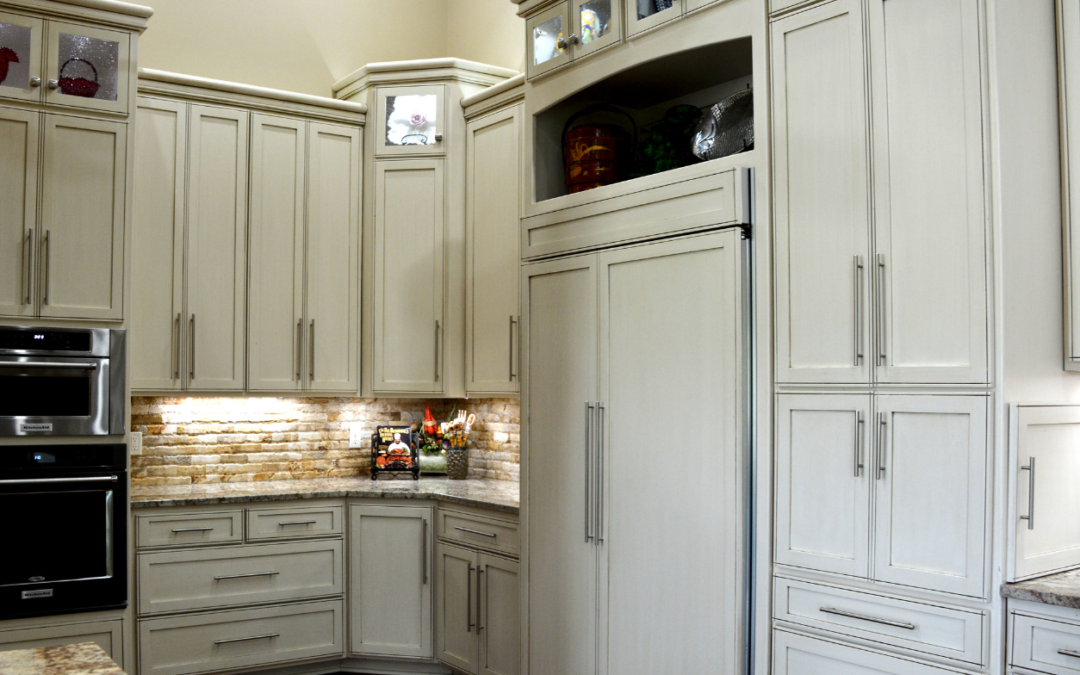
Many homeowners want to update their kitchens. The kitchen is the heart of the home, where families gather to cook, eat, and talk. When kitchen cabinets look old, worn, or dark, the whole room can feel outdated. You might want to make your kitchen look bright and modern.
One of the best ways to do this is with professional cabinet painting. It is a great choice because it costs much less than buying brand-new cabinets. It also creates much less waste, which is better for the environment.
However, before you start any home project, you need to ask a very important question. How long will your kitchen be out of service? You need to know when you can use your stove, your sink, and your counters again. It is hard to live without a working kitchen.
If you do not know the timeline, you cannot plan your meals or your daily schedule. You might worry that the project will drag on for weeks. You might also worry that a fast job will not last and will start to peel in a year.
This blog post will help you understand the realistic timeline for a professional cabinet painting project. We will look at what happens during each step of the process. We will also explain the main things that can make the project faster or slower. By the end of this guide, you will know exactly what to expect when you hire JT Paint & Design to transform your kitchen cabinets.
Why Cabinets Are Different from Walls
When people think about painting, they often think about painting a bedroom wall. Painting a wall is a simple task. You move the furniture, put down some tape, and roll on the paint. A bedroom wall can often be painted in a single day. Many people assume that painting kitchen cabinets is just as simple. They think a painter can just come in with a brush and finish the job in a afternoon.
In reality, cabinets are very different from walls. Walls do not get touched very often. They do not have doors that open and close dozens of times every day. They do not get bumped by heavy pots and pans. They do not get splashed with grease, oil, water, and soap.
Kitchen cabinets are high-use surfaces. They must be able to stand up to heavy daily wear and tear. Because of this, the paint on your cabinets must be much tougher than the paint on your walls.
To make a paint finish last on wood cabinets, painters must use special products and methods. They cannot just slap paint over the old wood. If they do, the paint will chip, peel, or scratch off very quickly. A long-lasting finish requires careful preparation, special primers, and durable topcoats. Each of these steps takes time. The secret to a beautiful kitchen is not how fast the paint is applied. The secret is the care put into every single step of the process.
To understand why this project takes several days, we must look at the difference between two terms that sound similar but are actually very different.
Drying is when the paint feels dry to the touch. This usually happens in a few hours. At this point, you can touch the surface gently, but the paint is still soft underneath.Curing is when the paint completely hardens and reaches its maximum strength. This is a chemical process that takes several days or even weeks. During this time, the paint bonds to the wood and becomes a tough, protective shell.
The Step-by-Step Professional Process
A professional cabinet painting project follows a very strict sequence of steps. Each step builds on the one before it. If a painter skips or rushes a step, the final finish will suffer. Here is the detailed, step-by-step process that JT Paint & Design uses to ensure your cabinets look beautiful and last for years.
Step 1: Removal and Labeling
The very first thing a professional team does is take apart your cabinets. They do not paint the doors while they are still hanging on the frames. Painting doors in place leads to runs, drips, and uneven edges. It also makes it very easy to accidentally paint over the hinges and hardware, which looks messy and can ruin the hinges.
The team will carefully unscrew every door and drawer front. As they do this, they use a special labeling system. They write a small number inside the hinge cup of each door and on a piece of tape on the frame. This ensures that every door goes back to its exact spot at the end of the project. If doors are mixed up, they will not align correctly when they are rehung. The team also removes all the knobs, handles, and hinges and stores them safely.
Step 2: Cleaning and Degreasing
Kitchens are greasy places. Even if you clean your kitchen regularly, a thin layer of grease, oil, and cooking residue builds up on your cabinets over time. This grease is the biggest enemy of paint. Paint cannot stick to grease. If you paint over a greasy spot, the paint will bubble and peel off in a short time.
The team uses industrial-strength cleaners and degreasers to scrub every inch of the cabinet frames, doors, and drawer fronts. They pay special attention to the areas around the stove and the handles, where grease and finger oils build up the most. This step is hard work, but it is absolutely necessary to make sure the new paint sticks to the wood.
Step 3: Sanding and Surface Prep
Once the cabinets are clean and dry, the sanding begins. The goal of this step is not to remove all the old paint or stain down to the bare wood. Instead, the goal is to “scuff” the surface. Shiny, smooth finishes are hard for paint to grip. Sanding creates tiny, microscopic scratches in the wood or old finish. These scratches give the primer a rough surface to hold onto.
The team will sand every surface of the doors, drawers, and frames. They use fine-grit sandpaper to keep the wood smooth. After sanding, the cabinets will look dull and uniform. The team then uses a vacuum and special tack cloths to wipe away every speck of dust. If dust is left on the wood, it will get trapped under the paint and make the finish feel bumpy.
During this step, the team also fixes any damage. They fill small dents, scratches, and nail holes with wood filler. Once the filler dries, they sand it flat so the repair is completely invisible.
Step 4: Priming
Priming is one of the most important steps in the entire project. Primer is not just cheap paint. It is a special coating designed to seal the wood and help the topcoat stick.
Wood contains natural oils and chemicals called tannins. If you do not seal the wood, these tannins can bleed through the paint and cause ugly yellow or brown stains. This is especially true if you are painting dark wood cabinets a light color like white. A high-quality bonding primer blocks these stains and creates a uniform, solid base for the paint.
The team applies the primer carefully. On the frames inside your house, they may use rollers and brushes. For the doors and drawers, they will apply the primer using a professional spray gun. Once the primer is dry, they will sand it lightly with very fine sandpaper. This removes any tiny bumps and makes the surface perfectly smooth for the final paint coats.
Step 5: Painting and Spraying
Now it is finally time for the color! To get a flawless, factory-smooth finish, professional painters do not use brushes or rollers on your cabinet doors. Instead, they use a method called spray application.
The doors and drawer fronts are taken to a controlled spray environment. This might be a professional shop or a temporary spray booth set up in your garage or backyard. This spray area is kept clean and free of dust. The painters use professional sprayers to apply thin, even coats of cabinet-grade paint or lacquer.
Applying several thin coats is much better than applying one thick coat. Thin coats dry faster and cure harder. They also prevent drips and run marks. Most projects require at least two coats of paint to get complete coverage and a rich, even color. The team must allow each coat to dry completely before applying the next one. This drying time is not optional; it is required for the paint to perform correctly.
Step 6: Reassembly and Fine-Tuning
Once the paint on the doors and frames is dry enough to handle, the team begins the reassembly process. They bring the doors and drawers back into your kitchen. Using the labels they made in Step 1, they hang each door back on its original frame.
The team reinstalls the hinges and attaches the knobs and handles. If you bought new hardware, they will install it at this time. After everything is put back together, the team does the fine-tuning. They adjust the hinges on each door so that they hang straight and close smoothly. They also add small, soft bumpers to the corners of the doors to prevent them from slamming against the frames.
Finally, the team removes all the protective plastic and tape from your kitchen. They clean up any dust and do a final inspection to make sure every detail is perfect.
Key Factors That Impact the Schedule
While the five-day schedule is common, every kitchen is unique. Several important factors can make a cabinet painting project go faster or take longer. When JT Paint & Design visits your home for a consultation, they will look at these factors to give you an accurate timeline.
1. The Size of Your Kitchen
The most obvious factor is the number of cabinets you have. A small kitchen with 10 to 12 doors will move through the process very quickly. The prep, sanding, and painting will take less time. A project like this can often be finished in three to four days.
On the other hand, a large kitchen with 30 or more cabinets, a large center island, a built-in pantry, and desk areas will take much longer. More cabinets mean more surfaces to clean, sand, prime, and spray. A large kitchen project will usually take five to seven days to complete.
2. The Condition of Your Cabinets
The starting condition of your wood is a major factor in the timeline. If your cabinets are relatively new and in good shape, the prep work will be fast. The painters can move quickly from cleaning to sanding.
However, older cabinets often need more care. If your cabinets have any of the following issues, it will add time to the schedule:
• Heavy grease buildup:
If the cabinets have not been cleaned thoroughly in years, it can take several rounds of scrubbing to remove the grease film.
• Peeling paint:
If your cabinets were painted poorly in the past, the old paint must be stripped or sanded off completely. You cannot paint over peeling paint, or the new finish will fail.
• Wood damage:
Deep scratches, water damage, chipped edges, or cracked panels must be repaired with wood filler or epoxy. Each layer of filler must dry before it can be sanded and painted.
3. The Door Design and Profile
The style of your cabinet doors affects how fast the painters can work. Doors with a flat, simple design—like Shaker-style doors—are very easy to sand and paint. The flat surfaces allow the tools to move quickly and evenly.
Doors with complex designs, raised panels, deep grooves, or decorative trim require much more time. The painters must sand inside every tiny groove by hand to ensure the paint sticks. They must also spray these areas very carefully to prevent paint from pooling in the corners and creating thick, ugly drips.
4. The Color Change
The color you choose can also impact how many coats of paint are needed. If you are making a small change—such as painting light oak cabinets a soft cream color—you may only need one coat of primer and two coats of paint.
If you are making a dramatic change, you will need more coats. For example, if you want to turn dark cherry or black cabinets into bright white, the dark wood will try to show through the light paint. To get a solid, beautiful color, the painters may need to apply two coats of stain-blocking primer and three thin coats of paint. Each extra coat adds more application time and another drying window.
5. Weather and Humidity
Even when working inside your home, the weather outside can affect the project. Paint dries when the moisture in it evaporates into the air. If the air is very humid or cold, this evaporation process slows down.
Professional painters monitor the temperature and humidity closely. If the humidity is too high, they may use dehumidifiers or heaters to help the paint dry. If they apply a second coat of paint before the first coat is completely dry, it can trap moisture underneath. This leads to soft paint that is easily damaged. A rainy or humid week can sometimes add a day to the project timeline to ensure proper drying.
Drying vs. Curing: Protecting Your Investment
One of the most important things for homeowners to understand is the difference between drying and curing. When the painters pack up their tools on the final day, your cabinets will look finished. The paint will be dry to the touch, and you can open and close the doors gently.
However, the paint is not yet at its full strength. It takes time for the paint molecules to cross-link and form a hard, durable shield. This process is called curing. Depending on the type of paint used and the weather, a full cure can take anywhere from two to four weeks.
During this curing window, the paint finish is still developing its strength. It is slightly soft and can be scratched or marked more easily than a fully cured finish. To protect your investment, you should follow these simple rules during the first month:
• Be gentle:
Open and close doors and drawers carefully. Do not slam them.
• Avoid harsh cleaners:
Do not use abrasive sponges or strong chemical cleaners on the fresh paint. If you need to clean a spill, wipe it gently with a soft, damp microfiber cloth.
• Keep items away:
Avoid hanging wet dish towels over cabinet doors. Do not push heavy appliances like coffee makers or air fryers directly against the painted frames.
Once the paint is fully cured, it will be incredibly tough and easy to clean. Taking a little extra care during the first few weeks will ensure your kitchen stays beautiful for many years to come.
How to Prepare for Your Cabinet Painting Project
Since your kitchen will be partially out of service for a few days, a little preparation can make the week much easier and less stressful. Here are some helpful tips to prepare for the painters:
• Clear the counters:
Remove everything from your kitchen countertops, including coffee makers, toaster ovens, and decorations. This gives the painters room to work and protects your items from dust.
• Empty the cabinets (optional but helpful):
You do not always have to empty the inside of your cabinets if the painters are only painting the outside. However, emptying the top drawers and the cabinets closest to the work areas is highly recommended. It protects your dishes from dust and gives the painters easy access to the frames.
• Set up a temporary kitchen:
Set up a small station in another room with a microwave, a coffee maker, and some paper plates and plastic utensils. This allows you to make simple meals and coffee without needing to use the kitchen counters or stove.
• Plan for meals:
Since cooking will be difficult on the most active work days (usually Day 1 and Day 5), plan to eat out, order takeout, or prepare meals in advance that only need to be reheated in your microwave.
• Keep pets and kids away:
The painting process involves wet paint, sanding dust, and professional tools. For their safety and to protect the fresh paint, keep children and pets out of the kitchen area while the painters are working.
Conclusion: Why the Timeline Matters
It can be tempting to look for a painter who promises to finish your kitchen in just one or two days. We all want projects to be done as fast as possible. However, when it comes to cabinet painting, speed is often a warning sign.
A one-day paint job almost always means that important steps were skipped. It means the cabinets were not cleaned properly, the wood was not sanded, or the paint was not allowed to dry between coats. While a fast job might look acceptable on the day it is finished, it will not last. Within a few months, the paint will begin to chip around the handles, peel near the stove, and scratch off when bumped.
At \, we believe in doing things the right way. Our five-day timeline is not a delay; it is a promise of quality. We take the time to clean, sand, prime, and paint your cabinets with the highest level of care. We protect your home, contain the mess, and use professional spray equipment to deliver a factory-smooth finish that you will love.
If you are ready to transform your kitchen with a beautiful, durable cabinet painting finish, we are here to help. Contact JT Paint & Design today to schedule your consultation. We will evaluate your kitchen, discuss your vision, and provide a clear, honest timeline and estimate for your project. Let us help you fall in love with your kitchen all over again!