
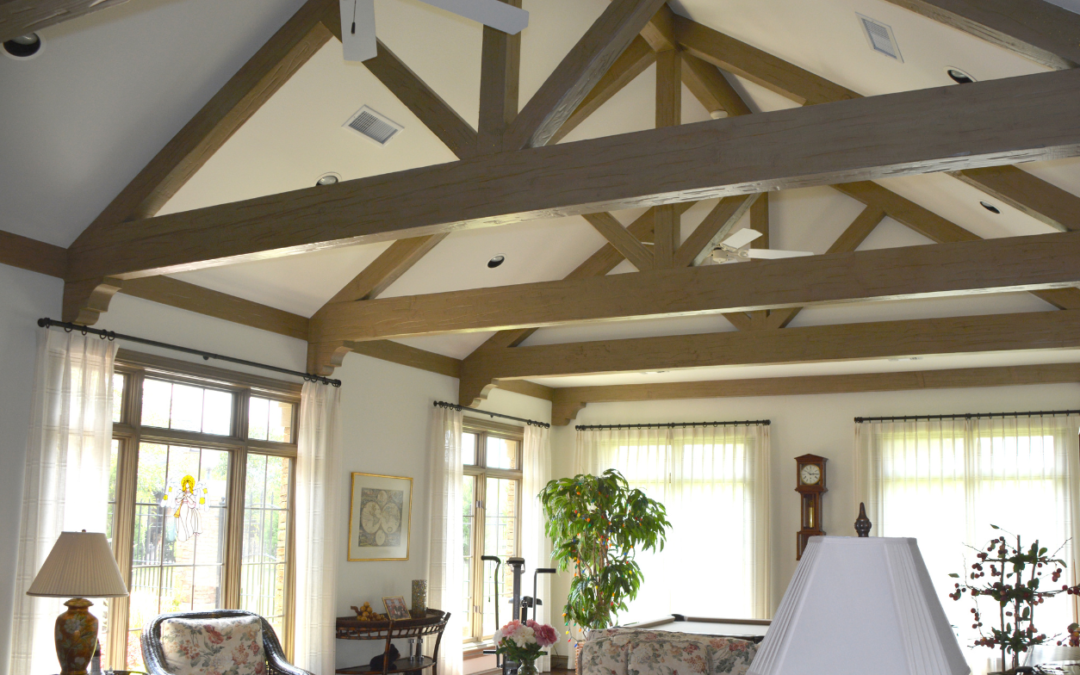
Hiring professional house painters to work inside your home is one of the smartest investments you can make. Painting your home’s interior is about more than picking a pretty color. It protects your walls, updates your style, and can even make your rooms feel bigger and brighter. When you hire skilled house painters, you get peace of mind knowing the job will be done right — on time, cleanly, and with great results.
But if you’ve never had painters work inside your home before, the process can feel a little confusing. What do you need to do before they arrive? How do they protect your furniture and floors? How long will it take? What about the fumes? These are all fair questions, and this guide answers every one of them.
By the end of this article, you’ll know exactly what to expect when house painters come into your home. You’ll be ready to prepare your space, communicate with your team, and enjoy a smooth, stress-free painting experience from start to finish.
Why Hire Professional House Painters?
You might be tempted to grab a roller and paint your walls yourself. But professional house painters bring a level of skill, speed, and quality that’s hard to match on your own.
First, they have the right tools. Professional painters use high-quality brushes, rollers, and sprayers that apply paint evenly without streaks or drips. They also bring ladders, scaffolding, and other equipment that most homeowners don’t own.
Second, they know how to prep. Prep work is the most important part of any paint job. Professionals clean walls, fill holes, sand rough spots, and apply primer before a single drop of color goes on. This prep work is what makes the difference between a paint job that looks great for years and one that starts peeling in months.
Third, they save you time. A professional team can paint an entire room in a fraction of the time it would take you to do it yourself. They work efficiently because they do this every day.
Finally, they protect your investment. Professional house painters know how to protect your floors, furniture, and fixtures. They take the guesswork out of the process and leave your home looking beautiful.
Prepping Rooms: What Homeowners Should Do
Before the house painters arrive, there are several steps you can take to prepare your home. Getting your rooms ready helps the painters work faster and protects your belongings.
Clear Out Decor and Wall Hangings
Start by removing all pictures, mirrors, clocks, and other decorations from the walls. This clears the surface and prevents accidental damage. Take down curtains, blinds, and curtain rods as well. These items can collect dust and paint splatter, so store them safely in another room.
Move Small Furniture and Fragile Items
Move small tables, chairs, lamps, and decorative pieces out of the room or toward the center. Painters will cover large furniture with plastic or drop cloths, but smaller items are easier to move out entirely. Fragile items like vases, figurines, and picture frames should be packed away carefully.
Disconnect and Move Electronics
Unplug and move TVs, computers, speakers, and other electronics. Paint dust and fumes can damage electronic equipment, so getting these items out of the room is the safest choice.
Clear the Floors and Pathways
Remove rugs, floor mats, and anything else on the floor. Clear pathways so painters can move their equipment in and out of the room without obstacles.
Prepare for Your Pets
Pets can be sensitive to paint fumes, noise, and the general disruption of a painting project. Arrange for them to stay with a friend, at a boarding facility, or in a room that won’t be painted. Make sure their food, water, and bedding are out of the work area.
Point Out Problem Areas
Walk through the rooms with your painters before they start. Point out any cracks, water stains, holes, or areas of concern. This gives them a chance to address these issues during the prep phase.
Prepping Rooms: What House Painters Do
Once you’ve done your part, professional house painters take over to get your walls ready for paint. This prep phase is critical. It’s what separates a professional paint job from a DIY one.
Moving Heavy Furniture
Painters will carefully move large furniture pieces to the center of the room or out of the way. They use furniture sliders and moving blankets to avoid scratching floors or damaging walls.
Taping and Masking
One of the most important prep steps is taping. Painters apply painter’s tape along baseboards, window trim, door frames, and electrical outlets. This creates sharp, clean lines and protects surfaces from accidental paint splashes.
Repairing Drywall
Walls often have nail holes, dents, or cracks that need to be fixed before painting. Painters inspect every wall and use spackle or joint compound to fill holes and smooth out imperfections. This step ensures the final paint job looks clean and professional.
Sanding
After repairs dry, painters sand the patched areas and any rough spots on the walls. Sanding creates a smooth surface that helps primer and paint stick better. It also removes any old paint that is chipping or flaking.
Caulking Gaps
Painters fill gaps between trim and walls with caulk. This seals out drafts, gives the room a finished look, and prevents moisture from getting behind the trim.
Priming
If the walls have stains, are newly repaired, or you’re painting a lighter color over a dark one, painters apply a coat of primer. Primer helps the paint adhere evenly and improves the final color’s appearance. It also blocks old stains from bleeding through the new paint.
Protecting Furniture and Floors
One of the biggest concerns homeowners have is whether their belongings will be safe during the painting process. Professional house painters take this seriously and use a variety of tools and techniques to protect your home.
Drop Cloths vs. Plastic Sheeting
Drop cloths and plastic sheeting are the two main types of floor protection painters use. Canvas drop cloths are thick and durable. They absorb paint drips without letting them seep through, and they don’t slip easily on most surfaces. Plastic sheeting is lightweight and waterproof. It’s great for tile or concrete floors but can be slippery on hardwood.
Painters often use a combination of both, depending on the surface and the type of work being done.
Protecting Hardwood Floors
Hardwood floors are sensitive to moisture and scratches. Painters place padded canvas drop cloths or rosin paper on hardwood to avoid damage. They avoid using plastic sheeting directly on hardwood because it can trap moisture and cause the wood to warp.
Protecting Carpet
Carpet is prone to staining, so painters use heavy canvas drop cloths or adhesive carpet protection film. This film sticks lightly to carpet fibers and prevents paint spots. It also creates a non-slip surface for painters to walk on safely.
Protecting Tile and Laminate
Plastic sheeting works well on tile and laminate floors because it’s waterproof and easy to clean. Painters secure the edges with tape to keep the plastic in place and prevent slipping.
Painter’s Tape vs. Masking Tape
Not all tape is created equal. Regular masking tape can leave sticky residue and even pull off paint when removed. Painter’s tape is specially designed for clean removal without leaving residue or damaging surfaces. It adheres well during the job but peels off easily when the work is done. Painter’s tape is essential for creating sharp lines and protecting trim, fixtures, and other surfaces.
Timelines and Scheduling
Understanding how long the painting process takes helps you plan your daily life around the project.
How Long Different Rooms Take
The time it takes to paint a room depends on its size, the condition of the walls, and the number of coats needed. As a general guide, a small room like a bedroom or bathroom takes one to two days. A medium-sized room like a living room or dining room takes two to three days. Large rooms or open floor plans can take three to four days or more.
Keep in mind that these timelines include prep work, painting, and drying time between coats.
Whole-House Timelines
Painting an entire home’s interior can take one to two weeks or longer. The number of rooms, the condition of the walls, the complexity of the color scheme, and the size of the painting crew all affect the total timeline.
Factors That Can Cause Delays
Several things can slow down a painting project. High humidity makes paint dry more slowly, which extends the time between coats. Extensive wall repairs or mold remediation add extra days to the schedule. Painting multiple colors or switching from dark to light shades requires additional priming. And if furniture needs to be moved repeatedly, it can slow the team’s progress.
Your painters will give you an estimated timeline at the start of the project, but it’s always a good idea to build in a little extra time for unexpected delays.
Understanding Drying and Curing Times
Many homeowners don’t realize there’s a difference between paint drying and paint curing. Both matter, and understanding them helps you take care of your newly painted walls.
Drying Time
Drying time is how long it takes for paint to feel dry to the touch. For latex paint, this is usually one to two hours between coats. Oil-based paints take longer — sometimes six to eight hours before a second coat can be applied.
Curing Time
Curing is different from drying. Curing means the paint has fully hardened and reached its maximum durability. Latex paint typically cures in one to two weeks. Oil-based paint can take up to thirty days to fully cure.
When to Move Furniture Back
Wait at least twenty-four to forty-eight hours after the final coat before moving furniture back against the walls. Moving furniture too soon can cause the paint to stick or leave marks. For the best results, wait a full week before pushing furniture up against freshly painted walls.
When to Wash Walls
Avoid washing newly painted walls for at least thirty days. This gives the paint time to fully cure. When you do clean the walls, use a soft cloth with mild soap and water. Avoid scrubbing or using harsh chemicals, which can damage the finish.
Communication with Your Painters
Good communication is one of the most important parts of a successful painting project. When you and your painters are on the same page, everything runs more smoothly.
Ask for Daily Updates
Ask your painters to give you a brief update at the end of each workday. This lets you know what was completed, what’s planned for the next day, and whether any issues came up. Daily updates help you stay informed and give you a chance to raise any concerns before they become bigger problems.
Establish a Point of Contact
Make sure you know who to talk to if you have questions or concerns. Usually, this is the lead painter or a project manager. Having one point of contact avoids confusion and ensures your messages get to the right person.
Set Expectations Early
Before the project starts, discuss your priorities, color preferences, and any concerns. Make sure you understand the timeline, what’s included in the price, and how cleanup will be handled. The more clearly you communicate your expectations upfront, the better your results will be.
Don’t Be Afraid to Ask Questions
Professional house painters are experts, and they’re happy to answer your questions. Ask about paint types, finishes, drying times, or how to care for your walls after the project is done. A good painting team welcomes your questions and takes the time to explain things clearly.
Dealing with Disruptions
Painting inside your home will cause some disruption to your daily routine. Knowing what to expect helps you manage these challenges.
Noise from Sanding and Tools
Sanding walls, scraping old paint, and moving equipment can be noisy. If you work from home or have young children who nap during the day, talk to your painters about scheduling the loudest work during times that are least disruptive for your family.
Paint Fumes and VOCs
Paint fumes come from volatile organic compounds, or VOCs. These chemicals can irritate eyes, noses, and throats. To reduce exposure, open windows and doors while painters are working and keep the air moving with fans. Many professional painters offer low-VOC or zero-VOC paint options, which have much less odor and are safer for your family. Ask about these options when you schedule your project.
Keeping Children and Pets Safe
Children and pets should stay out of rooms being painted. Paint, tools, and ladders can be dangerous, and fumes can be especially irritating for small lungs. Create safe zones in parts of the house that aren’t being painted, and keep kids and pets there during work hours.
Creating Safe Zones
Close the doors to rooms that aren’t being painted and use plastic sheeting to seal off hallways if needed. This limits the spread of dust and fumes to the work areas and keeps the rest of your home comfortable.
The Step-by-Step Painting Process
Understanding what house painters actually do during the painting phase helps you appreciate the skill and care that goes into a professional paint job.
Step 1: Cutting In
Painters start by “cutting in” — using a small brush to paint a precise line along edges, corners, and trim. This creates clean borders before the roller goes on. Cutting in requires a steady hand and a lot of practice to do well.
Step 2: Rolling
After cutting in, painters use rollers to cover the large open areas of the wall. Rollers come in different nap lengths depending on the texture of the wall. Smooth walls use a short nap roller. Textured walls use a thicker nap to get paint into all the grooves.
Step 3: Spraying (When Applicable)
For large areas, textured ceilings, or new construction, painters sometimes use a sprayer. Sprayers apply paint quickly and evenly, but they require careful masking to protect everything around the work area from overspray.
Step 4: Applying Multiple Coats
Most walls need at least two coats of paint for full coverage and rich color. Painters let the first coat dry completely before applying the second. Some colors — especially reds, yellows, and bright whites — may need three or more coats.
Step 5: Inspecting as They Go
Professional painters check their work as they go. They look for drips, missed spots, and uneven coverage. Catching these issues early means less touch-up work at the end.
Cleanup and the Final Walkthrough
Daily Cleanup:
At the end of each workday, painters clean their brushes, rollers, and trays. They remove drop cloths from walkways and tidy up the work area so your home stays as livable as possible during the project.
Final Cleanup:
When the project is complete, painters do a thorough final cleanup. They remove all tape and protective coverings, vacuum floors, wipe down baseboards, and dispose of any paint waste. Your home should look clean and ready to enjoy.
The Final Walkthrough:
Before the painters leave, do a final walkthrough with the lead painter. Walk through every room and inspect the walls carefully. Look for missed spots, uneven coverage, paint on trim or floors, and the smoothness of edges and corners. Good lighting helps you spot any issues.
Touch-Ups:
If you find any problems during the walkthrough, point them out right away. Professional painters will do touch-ups on the spot to make sure you’re completely satisfied. A reputable team won’t leave until the job meets your standards.
Conclusion
Hiring professional house painters to work inside your home is a rewarding experience when you know what to expect. From clearing out your rooms and protecting your floors to understanding timelines and communicating with your team, every step of the process matters. When you prepare well and work with a skilled, trustworthy team, the results speak for themselves — beautiful, durable walls that transform your living space.
At JT Paint & Design, our experienced house painters handle every detail with care and professionalism. We prep your walls, protect your home, and deliver a finished product you’ll love. Contact us today to schedule your free consultation and take the first step toward a fresh, beautiful interior.