
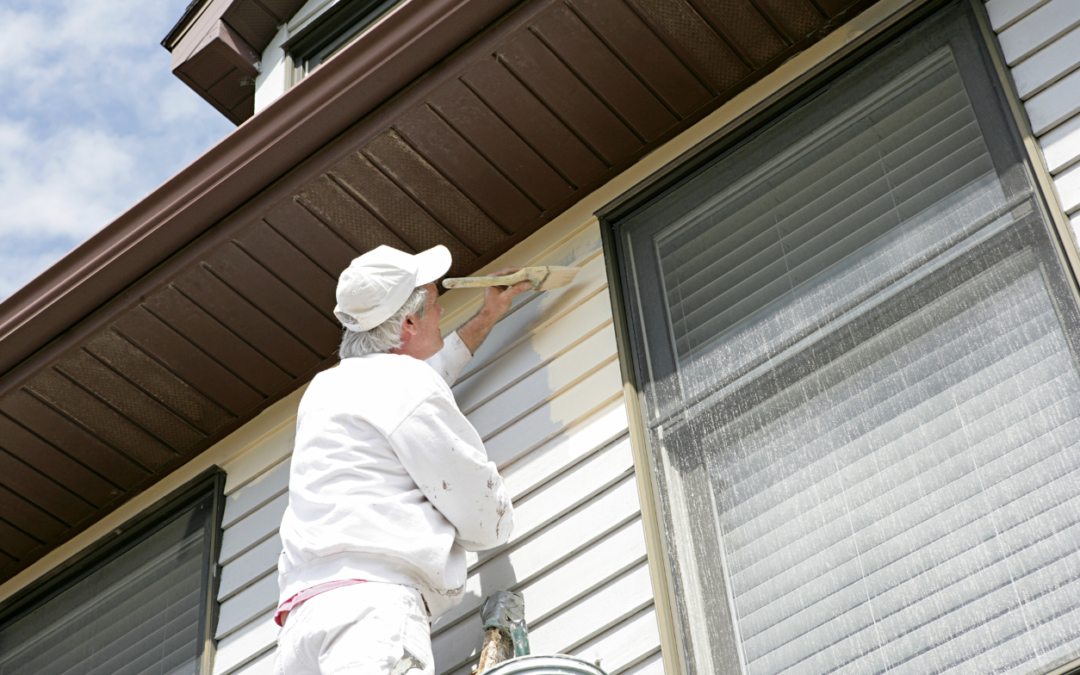
Fresh paint can make a home feel clean, bright, and cared for. It can also protect siding, trim, doors, and other surfaces from daily wear. Yet paint work is not only about choosing a color. Timing matters. The best season for your project depends on what you want painted, the weather in your area, and how you use your home.
If you are thinking about hiring a painting company, start by looking at the season. Exterior paint needs the right weather to dry and bond well. Interior paint gives you more freedom, but your schedule, airflow, and indoor humidity still matter. When you plan ahead, you can avoid rushed decisions, get on the schedule you want, and give your new finish the best chance to last.
JT Paint & Design helps homeowners plan paint projects that fit both their homes and their lives. This guide explains when to paint inside and outside, what weather conditions to watch, and how to choose the right time to call a professional.
The Simple Answer: Spring and Fall Often Work Best
For many exterior projects, mild and dry weather gives painters the easiest path to a smooth, lasting finish. Spring and fall often bring cooler days than summer and fewer hard freezes than winter. That can make them strong choices for siding, trim, decks, fences, and doors.
Still, there is no single “perfect” month for every job. A dry week in early summer may be better than a wet week in spring. A home with good air conditioning may be easy to paint indoors in July. A skilled crew also checks the product label, the surface condition, and the local forecast before starting. Paint makers set temperature ranges for their products, and those ranges can differ. For example, Benjamin Moore advises planning exterior work in temperatures from 35°F to 100°F, with humidity as low as possible, while also following the directions for the exact product being used.
The key is not simply picking a season. It is picking the right conditions within that season.
Why Weather Matters for Exterior Paint
Exterior paint does more than add color. It forms a protective layer between your home and sun, rain, wind, dirt, and changing temperatures. For that layer to work well, paint needs to go on a clean, dry surface and then dry under suitable conditions.
Temperature affects how paint goes on and dries
Paint can struggle in cold weather. Low temperatures can slow drying and may keep the coating from forming a strong bond with the surface. Paint can also dry too quickly in very hot weather, especially on a wall in direct sun. When that happens, painters may have less time to spread the paint evenly. The finish can look less smooth if the product starts to set before it is worked properly.
Every product has its own rules. Some newer exterior coatings work in cooler weather than older products, but that does not mean any cold day is safe for painting. Sherwin-Williams notes that the temperature should stay within the product’s suggested range and above the dew point for at least 48 hours after application. This is why a professional checks both daytime and nighttime weather, not only the temperature at the time work begins.
Humidity can slow the drying process
Humidity is the amount of water vapor in the air. When humidity is high, water-based paint may take longer to dry. That can leave fresh paint open to dirt, bugs, rain, or damage for a longer time. High humidity can also make it harder for a finish to cure as planned.
Painters cannot control the weather, but they can plan around it. They may choose a different start time, work on a shaded side of the house first, or wait for a better weather window. The right choice protects the quality of the job. It is always better to delay a coat than to force it onto a damp surface.
Rain and dew can damage a fresh finish
Rain can spoil wet paint, but rain is not the only moisture concern. Morning dew, fog, wet grass, and a damp wall can all create problems. Even if the sky looks clear, a surface may still hold moisture from the night before. A careful crew checks the siding, trim, and wood before painting.
The drying time after a coat matters too. You need more than a dry afternoon. Fresh paint needs enough rain-free time to set up according to the product directions. That is why weather planning should include the forecast for the next day or two. Do not assume that a quick shower is harmless; Benjamin Moore specifically warns that rain can ruin a fresh coat and undo hours of work.
Direct sun can create its own challenge
A bright day can feel perfect for home projects. However, a wall in full sun can get much hotter than the air around it. Dark siding, metal trim, and south-facing walls can heat up fast. A knowledgeable painter plans the order of work to avoid placing paint on an overly hot surface. They may begin on the shady side, follow the shade as the day moves, or schedule work earlier in the day.
Spring: A Popular Time for Exterior Painting
Spring is a busy time for many homeowners. Winter storms are over, days grow longer, and people start noticing chipped trim, faded siding, and peeling paint. It is also a great time to freshen rooms before summer guests arrive.
For exterior work, spring can be a very good option once steady mild weather arrives. It is especially helpful when you want to repair winter damage before summer sun and storms add more wear. A painting team can wash surfaces, scrape loose paint, make small repairs, prime bare areas, and apply a new protective finish.
Spring weather can change fast, though. One week may be warm and dry, while the next brings rain and cool nights. Plan for some flexibility. Instead of choosing one day far in advance and hoping for the best, work with a company that watches the forecast and communicates clearly.
Spring is also a good time to book early. Many homeowners call as soon as the weather improves. If you want a project finished before a holiday, graduation, party, or summer trip, do not wait until the last minute.
Best spring projects include:
• Exterior siding and trim after a stable dry stretch.
• Front doors, shutters, porches, and fences.
• Interior living rooms, hallways, and guest rooms before summer activity starts.
• Repairs to paint damaged by winter weather.
Summer: Great for Planning, With Heat in Mind
Summer brings long workdays and more chances for dry weather. That makes it a common season for exterior painting. It can be especially useful for large homes, decks, fences, and projects that need several dry days.
The main summer concern is heat. Very high temperatures and direct sun can make paint set too fast. High humidity can slow drying, too. A good crew changes its plan based on the day. They may begin early, avoid the hottest hours, paint one side of the house at a time, or schedule the project for a milder weather window.
Summer can also be a convenient time for interior work. Families may travel, children may be out of school, and windows can open when weather allows. If your household will be away for a few days, that can make painting bedrooms, common rooms, or stairways easier. You return to a fresh space without living through each stage of the work.
There is one important rule for summer projects: do not judge the weather by air temperature alone. Your painter should consider the temperature of the surface, the sun, humidity, and the forecast after the workday ends. Behr notes that product temperature guidance often falls around 40°F to 90°F for oil-based paints and 50°F to 90°F for latex paints, though the exact can label must always lead the decision.
Fall: Often the Sweet Spot for a Lasting Finish
Many professionals view fall as one of the best seasons for exterior painting. The air can be cooler, the sun can be less harsh, and humidity may drop in many areas. These conditions often allow painters to work at a steady pace and help coatings dry as intended.
Fall is also a smart time to protect your home before winter. If you see bare wood, cracking paint, or peeling trim, a new coat can help cover exposed areas before cold rain, snow, and wind arrive. Painting does not fix deep rot or major damage, but it can be an important part of regular home care after needed repairs are complete.
As with spring, fall days can vary. Nights get colder, dew arrives earlier, and the first freeze can come sooner than expected. That makes early scheduling important. Waiting until the end of the season can leave less time for a proper weather window.
Fall is excellent for interior painting as well. People spend more time inside as the weather cools, so they notice worn walls and outdated colors. A fresh entryway, dining room, kitchen, or family room can make your home feel ready for the holiday season. If you plan to host friends or family, schedule the job early enough to allow furniture to move back and paint to cure before guests arrive.
Winter: Best for Many Interior Projects
Winter does not stop all painting work. It simply shifts the focus indoors. Interior painting can be done year-round when the room has suitable temperature, airflow, and humidity. In fact, winter can be a smart time to update bedrooms, offices, bathrooms, kitchens, cabinets, and trim.
A winter interior project lets you improve your home during a quieter season. You may be spending more time indoors, so the result brings value right away. It can also prepare your home for a spring listing, a new baby, a remodel, or a change in how you use a room.
Ventilation still matters. Your painting crew may use fans, open windows when conditions allow, or recommend keeping the room available for drying time. A professional can also help you choose low-odor or low-VOC products if that fits your goals. Ask how long the room should stay clear, when you can replace wall hangings, and when the finish will be ready for normal use.
Outdoor work is more limited in winter because cold temperatures, frost, damp surfaces, and short days create greater risks. Some specialty products allow work in cooler conditions, but only when the label, the surface, and the forecast all support it. Do not assume that a sunny winter afternoon is enough. If conditions are not right, waiting protects your investment.
Interior Painting Has More Flexibility Than Exterior Painting
Inside your home, painters do not face rain, wind, or direct sun on the wall. That gives you more choices. Still, the best time for interior painting is not only about the calendar. It is about making the process easy for your household.
Think about how you use each room. Painting a primary bedroom may be easier while you are on vacation or staying with family. Painting a home office may work best over a weekend. Painting a kitchen may require a plan for meals and daily traffic. A thoughtful schedule keeps the project moving and lowers stress for everyone.
Indoor air conditions matter too. In very humid weather, a room may need more airflow or moisture control. In very dry weather, the finish may dry quickly. A trained painter follows the product’s guidance and adjusts the job setup as needed. This is one reason an experienced team can make the process feel simple: they plan the work around both the coating and your daily life.
Signs It Is Time to Call a Painting Company
Season is important, but your home may be telling you it needs attention now. Look for paint that is peeling, cracking, bubbling, or fading. Notice bare spots on wood, worn door edges, scuffed hallways, stained ceilings, or trim that no longer looks clean. These signs do not always mean a full repaint is needed, but they are good reasons to ask a professional for an assessment.
You should also consider calling when you are planning a larger change. New flooring, a kitchen update, a move, a home sale, or a new furniture style can all be good times to repaint. Paint often has one of the biggest visual effects for the cost. A fresh, well-chosen color can help rooms feel larger, lighter, calmer, or more connected.
Exterior projects deserve special attention when the protective finish has failed. If water reaches bare wood or damaged trim, the problem can grow. A painting professional can help you understand whether the job needs cleaning, preparation, spot repair, priming, or a full repaint. Good preparation is not an extra step. It is the base of a finish that looks right and lasts.
How to Prepare for Better Results
The best painting season still needs good preparation. A quality result starts before the first coat goes on. You can help the process by making a few simple choices early.
First, take a walk around your home. Make a list of the rooms or exterior areas you want to improve. Add notes about peeling paint, stains, nail holes, wood damage, or color concerns. Photos can help you remember details when you talk with a contractor.
Next, think about your goals. Do you want to protect exterior surfaces, refresh one room, prepare for a sale, or create a whole-home color plan? Your answer helps the painter recommend the right scope and schedule. It also helps you avoid paying for work that does not match your needs.
Then, choose a realistic schedule. For exterior work, build in weather flexibility. For interior work, allow time to move furniture, clear shelves, and keep pets or children safely away from the work area. Ask the contractor what they will handle and what you should do before the start date.
Finally, choose color with the lighting in mind. View samples in the morning, afternoon, and evening. Exterior colors can look different in sun and shade. Interior colors change under lamps, daylight, and nearby furnishings. Testing a sample in the actual space can prevent a costly surprise.
Questions to Ask Before You Book
The right painter will welcome clear questions. You do not need to know every technical detail. You simply need to understand the plan for your home.
Ask how the crew will prepare the surfaces. Ask what products they recommend and why. For exterior work, ask how they watch temperature, rain, humidity, and dew. Ask what happens if the forecast changes. For interior work, ask about room access, odor, drying time, and cleanup.
You can also ask about the order of work. Will the crew repair damaged areas before painting? Will they prime bare wood or patched drywall? How will they protect landscaping, flooring, furniture, and fixtures? When you know the steps, you can feel confident about the project.
Most of all, ask for a clear written scope. It should explain the areas to be painted, the surface prep, the products or finish type, the color plan, and any special repairs. A detailed plan helps everyone share the same expectations.
Plan Early, Then Let Conditions Lead
The best time to hire a painting company is often before you feel rushed. If you want exterior work in spring or fall, reach out early so you have room to choose a weather-friendly date. If you want interior work before a holiday, move, or family event, start planning several weeks ahead.
After you book, let the actual conditions guide the final schedule. A trustworthy painting team will not cut corners just to stay on a calendar. They will protect your home, follow the product directions, and choose the best available weather window. That patience can make a real difference in how your paint looks and performs.
Get the Right Finish in the Right Season
Every season can offer an opportunity to improve your home. Spring can help you recover from winter wear. Summer offers long days for well-planned exterior work. Fall often brings mild conditions for a fresh protective coat. Winter opens the door to interior updates while you spend more time at home.
The right season is the one that matches your project, your schedule, and the conditions your paint needs. With careful preparation and a professional plan, you can get a finish that looks great now and serves your home for years to come.
If you are ready to refresh your interior, protect your exterior, or choose colors that feel right for your space, contact JT Paint & Design. We can help you plan the timing, preparation, and finish that fit your home.