
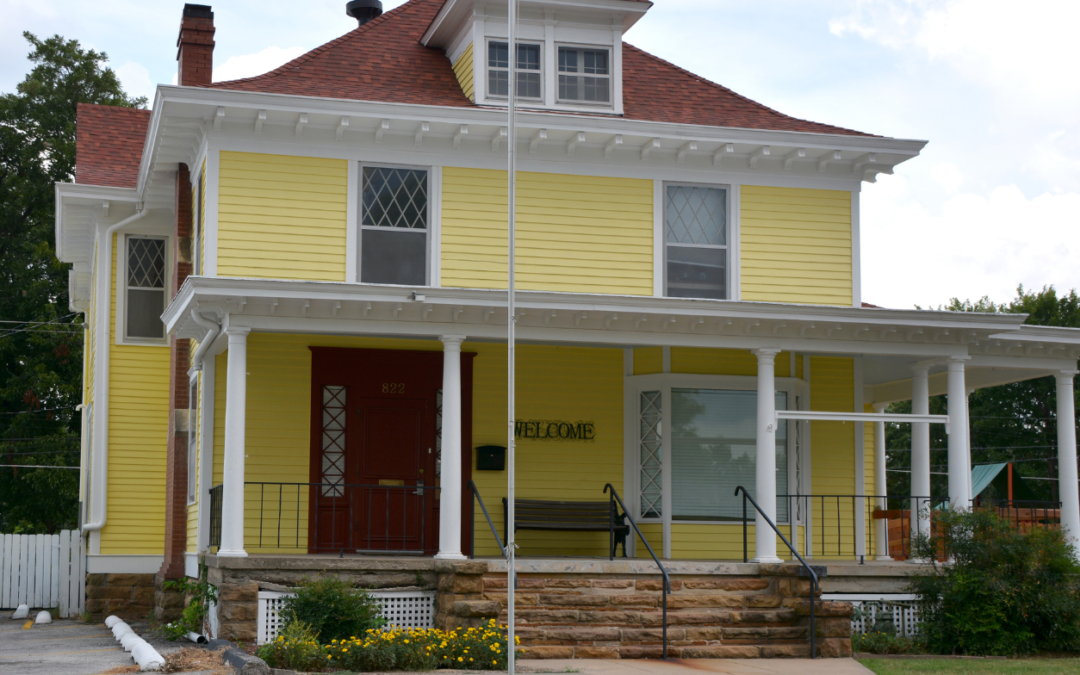
When it comes to painting the outside of your home, choosing the right exterior paint is important. But there is one step many people overlook that can make a huge difference: using primer. Primer is a special coating you apply before the exterior paint. It acts like a base coat that helps the paint stick better and last longer.
At JT Paint & Design, we know that a good primer can save you time and money in the long run. Without primer, your exterior paint might peel, crack, or fade quickly. On the other hand, primer helps protect your home from weather damage like rain, sun, and wind. It also hides stains and uneven colors, giving you a smooth and even finish.
Many homeowners wonder when they really need to use primer. The answer is: almost always. Primer is essential if you are painting over bare wood, metal, or surfaces that have stains or old paint that is chipping. It is also important if you want to change the color of your exterior paint drastically. Using primer in these cases means your new paint will look better and last longer.
In this blog post, JT Paint & Design will explain why primer matters so much in an exterior paint job. We will share tips on how to choose the right primer and when to use it. Whether you are painting your house for the first time or refreshing old paint, understanding the role of primer will help you get the best results. Keep reading to learn how to protect your home’s exterior and make your paint job stand the test of time.
What is Primer?
Primer is a special kind of coating that you put on a surface before you paint it. It is not paint, but it helps paint stick better and last longer. Think of primer as the foundation of a house, or like double-sided tape.
When you build a house, you need a strong foundation first. Without a good foundation, the house might fall down or get damaged easily. Primer works the same way for paint. It gives the surface a good base so the paint can stick well and not peel or chip off quickly.
Imagine you want to hang a picture on the wall. If you use normal tape, the picture might fall down after a while. But if you use double-sided tape, it sticks much better. Primer acts like that double-sided tape. It helps the paint stick tightly to the surface, whether it is wood, metal, or even walls outside.
Primer also helps cover up any spots, stains, or rough areas on the surface. This makes the paint look smooth and even. Without primer, paint might soak into the surface unevenly, making the color look blotchy or faded.
When you use exterior paint on the outside of a house, primer is very important. Outside surfaces face rain, sun, wind, and dirt every single day. Primer helps protect the surface and keeps the paint looking fresh for a long time, even in tough weather.
Even though primer is not colorful like paint, it plays a big role in making sure the paint job looks great and lasts a long time. It prepares the surface, helps the paint stick, and protects against damage. Next time you see someone painting a house or a fence, remember that primer is the secret helper behind the beautiful, strong finish!
Why Primer Matters for Exterior Paint
When you want to paint the outside of your home, using a primer before the exterior paint is very important. Primer is like a special base coat that helps the paint work better and last longer. Here are five big reasons why primer matters for exterior paint.
1. Makes Paint Stick Better
Primer helps the paint stick to the surface. Imagine trying to put stickers on a dusty wall — they might not stay. Primer creates a smooth, clean surface that paint can hold onto.
For example, if you have a wooden fence, primer grabs onto the wood and helps the paint stick, so it will not peel or flake off easily. This is especially important outside, where wind, rain, and heat are always testing the paint.
2. Seals Porous Surfaces
Some surfaces, like bare wood or brick, soak up paint like a sponge. This means you need a lot more paint, and it might look uneven. Primer seals these porous surfaces so they do not drink up all the paint. Think about a new wooden deck.
Without primer, the wood would absorb the paint quickly. But with primer, the wood is sealed, and the paint covers evenly, saving you money and time.
3. Hides Stains
Sometimes, the outside of a house has stains from things like water, rust, or old paint. If you paint over these stains without primer, they might show through the new paint color. Primer can hide these stains and stop them from ruining your fresh paint job. For example, if you have a water stain on your siding, primer blocks that stain so your new exterior paint looks clean and bright.
4. Covers Dark Colors
If you want to change a dark color on your house to a lighter one, primer helps cover the old dark paint. Painting light colors over dark paint without primer can take many coats and still look patchy. For example, if your house was painted dark blue and you want to switch to white, primer will cover the blue first. This makes it easier to get a smooth, bright finish with fewer coats of exterior paint.
5. Protects the Home
Primer also protects your home. It acts like a barrier against moisture and weather. This can stop wood from rotting and metal from rusting. For example, on a wooden porch, primer helps keep rain and snow from damaging the wood under the paint. This means your house stays strong and looks good for a longer time.
In short, primer is a key step before applying exterior paint. It helps paint stick better, seals surfaces, hides stains, covers dark colors, and protects your home from damage. Using primer can save you money and keep your house looking fresh for years.
The Science of Adhesion
Have you ever wondered how exterior paint stays on your house without peeling off? The secret lies in something called adhesion. Adhesion is how one surface sticks to another. When you paint your house, the paint needs to stick well to the surface. This usually means sticking to a layer called primer first. Let’s explore how this happens.
First, think about the surface of your house. Even if it looks smooth, it actually has tiny holes called pores. These pores are like small pits or openings. When you apply primer, it fills these pores. Imagine the primer as a glue that seeps into all these tiny holes. This helps the primer hold on tight to the house’s surface.
Now, the primer itself has a special job. It creates a good base for the exterior paint to stick to. The primer also has pores, so the paint can grip onto it just like the primer grips the house. This is important because paint alone might not stick well to some surfaces. The primer makes sure the paint stays put.
Besides filling the pores, adhesion happens because of chemical bonds. You can think of these bonds like tiny hooks that connect the paint and primer molecules together. These hooks hold the layers tightly. When the primer bonds to the house and the paint bonds to the primer, the paint job lasts longer and resists peeling, cracking, or washing away.
So, the process of adhesion is a mix of the primer filling pores and chemical bonds acting like hooks. This combination keeps the exterior paint stuck firmly to your house. That is why using a good primer before painting is so important. It sets the stage for a strong, long-lasting paint job that protects your home from weather and wear.
When is Primer Essential?
Using primer is an important step in many painting projects. It helps the paint stick better and makes the finish last longer. Here are seven situations when using a primer is essential for exterior paint jobs.
1. Bare Wood
When you paint bare wood outside, primer is a must. Wood soaks up paint unevenly, causing blotchy colors. Primer seals the wood and creates a smooth surface. For example, if you are painting a new wooden fence or siding, applying primer first will protect the wood and help the paint last longer. Wood also contains natural oils and tannins that can bleed through paint and cause yellow or brown stains. A good primer blocks these tannins before they become a problem.
2. Painting Over Oil-Based Paint with Latex
If your house has old oil-based paint, and you want to use latex (water-based) exterior paint, you need a primer. Oil and latex paints do not stick well to each other. Using a special bonding primer helps the new latex paint attach properly. For instance, when updating an old house’s trim from oil-based paint to a fresh latex color, primer is the key to a lasting result.
3. Masonry
Masonry surfaces like brick, stone, or stucco are rough and porous. They soak up paint unevenly. Primer seals these surfaces and prevents the paint from peeling or fading quickly.
If you want to paint your brick porch or stone wall, primer will help your exterior paint cover these tough surfaces well. Masonry also has a high pH level that can break down paint over time. A masonry primer protects against this.
4. Metal
Metal surfaces need primer to stop rust and protect the paint. Metal is slick, so paint does not stick well without a primer layer. For example, when painting outdoor metal railings or gutters, using a rust-inhibiting primer is essential for a smooth, long-lasting finish. Without primer, rust will form under the paint and cause it to bubble and peel.
5. Big Color Changes
If you are changing your home’s color drastically, primer will help. Going from a dark color to a light one, or vice versa, often needs primer to cover the old shade. For example, painting a dark brown house bright white will require primer to prevent the dark color from showing through. A tinted primer can also be used to match the new color, reducing the number of topcoats needed.
6. Repaired Areas
When you fix cracks, holes, or damage on your home’s exterior, primer is important. New patches absorb paint differently than the rest of the wall. Priming these spots evens the surface so the paint looks consistent. For instance, after filling holes in your siding, apply primer before painting. Without it, the patched areas will stand out and may peel sooner.
7. Chalky Surfaces
Sometimes paint on old houses becomes chalky and powdery. This happens when paint breaks down from weather. Painting over a chalky surface without primer will cause peeling. Using a primer designed for chalky surfaces locks down the powder and makes the new paint stick. If your old paint flakes off when you rub it, primer is needed before repainting.
In all these cases, primer helps your exterior paint job look better and last longer. Skipping primer can cause peeling, fading, or uneven color. When you see these situations, remember: primer is essential
The Myth of Paint and Primer in One
Many people like the idea of using paint and primer in one can. It sounds like a time-saver and a money-saver. But the truth is, these products are not as good as using a dedicated primer first.
Paint and primer in one is mostly just thick paint. It does have some primer mixed in, but not enough to do the full job a primer should do. A real primer is made to stick well to the surface. It seals the surface and helps the paint bond tightly. This means the paint will last longer and look better.
If you use paint and primer in one on bare wood or metal, it might not seal the surface properly. This can cause problems later, like peeling, cracking, or fading. A dedicated primer locks out moisture and blocks stains. This helps keep your exterior paint job strong, especially when exposed to weather.
Using a real primer also helps cover up old colors and prevents the new paint from soaking in unevenly. Paint and primer in one may not cover as well. This means you might need more coats, which takes more time and paint.
For the best results, always use a dedicated primer before your exterior paint. It prepares the surface so the paint can stick and protect it better. Skipping this step or relying on paint and primer in one is a shortcut that can cost you more in the long run. Your house will look good and be protected longer with the right products and steps.
Step-by-Step: How to Prep and Prime
Before you start painting your house with exterior paint, it is very important to prepare the surface well. Good prep work helps the paint stick better and last longer. Here is a simple guide to get your walls ready.
Step 1: Clean the Surface
First, clean the area you want to paint. Use a garden hose or a pressure washer to spray off dirt, dust, and loose paint. If the surface is very dirty, mix water with a little soap and scrub it with a stiff brush. Make sure to rinse off all the soap. Let the surface dry completely before moving on. Painting over a wet surface will cause the paint to fail.
Step 2: Scrape Off Old Paint
Next, check for any peeling or flaking paint. Use a paint scraper or a putty knife to remove all loose paint. This step is important because new paint will not stick well if the old paint is falling off. Be gentle but thorough so you do not damage the wood or siding underneath.
Step 3: Sand the Surface
After scraping, sand the surface to smooth out rough edges and bumps. Use medium-grit sandpaper (around 120 grit) for this job. Sanding helps create a smooth surface that the exterior paint can grip. Pay special attention to areas where you scraped paint off. Once you finish sanding, wipe the surface with a damp cloth to remove dust.
Step 4: Make Repairs
Fill any holes, cracks, or gaps with exterior-grade caulk or wood filler. Let the filler dry completely. Then sand the repaired spots smooth. These patches will need primer to blend in with the rest of the surface.
Step 5: Apply Primer
Now it is time to prime. Choose a primer made for exterior use and suitable for your surface type (wood, metal, masonry, or vinyl). Use a brush or roller to apply a thin, even coat of primer. Let it dry completely. Check the primer can for drying times — usually, it takes one to two hours for latex primer and several hours for oil-based primer.
By following these steps — cleaning, scraping, sanding, repairing, and priming — you create the perfect base for your exterior paint. This prep work helps your paint job look great and last for many years.
How JT Paint & Design Uses Primer
At JT Paint & Design, we never skip the primer step when working on your exterior paint. We know that primer is the foundation of a great paint job. Without it, even the best exterior paint will not perform the way it should.
Our team starts every project by carefully inspecting your home’s exterior. We look for bare wood, peeling paint, stains, rust, and chalky surfaces. We clean the house thoroughly using a power washer. We scrape off all loose paint and sand the rough edges smooth. We fill cracks and holes before anything else.
Then, we choose the perfect primer for your specific needs. We might use a wood primer on your trim, a masonry primer on your brick, and a stain-blocking primer on any water spots. We make sure every problem area is sealed, bonded, and ready for paint.
Only after the primer is fully dry do we apply the exterior paint. Because we took the time to prime, the paint goes on smoothly. It covers beautifully. And most importantly, it lasts.
We use only the highest quality primers and exterior paints. We want your home to look stunning not just today, but for many years to come. A long-lasting paint job saves you money and gives you peace of mind.
Conclusion: Don’t Skip the Primer!
An exterior paint job is a big investment in your home. You want it to look beautiful, increase your curb appeal, and protect your house from the weather. To get all these benefits, you must start with a strong foundation. That foundation is primer.
Primer makes your exterior paint stick better. It seals porous surfaces, hides stains, and covers dark colors. It protects your home from moisture and rust. While it might seem like an extra step, primer is the secret to a paint job that lasts for years.
Whether you are painting bare wood, covering old oil-based paint, or dealing with chalky surfaces, primer is essential. It saves you money by reducing the amount of paint you need and making your paint job last much longer.
At JT Paint & Design, we never cut corners. We know the role of primer in a long-lasting exterior paint job. We take the time to prep and prime your home perfectly before we apply a single drop of color. If you want an exterior paint job done right, call JT Paint & Design today. We will make your home look amazing, and we will make sure it stays that way for years to come!